Introduction
Modern routines often feel harder than they should. Small delays, missing items, and cluttered decisions can drain time before the day fully starts. Better living rarely depends on luxury purchases or full home makeovers. Practical upgrades, chosen with care, reduce friction and support calmer habits. When spaces match real behavior, our homes ask less from us. That shift helps families protect energy, stay organized, and move through ordinary tasks with less strain.
Start With Friction
Useful upgrades begin with observation. Repeated stress usually points to one weak spot, such as poor storage, dim lighting, or messy counters. A quick review of daily routines can reveal where effort gets wasted. That same practical thinking appears in health settings, triggers, and daily function before suggesting next steps. Homes benefit from that mindset too.
Fix The Entry Zone
A clean entry area can save several minutes each day. Hooks, a slim bench, and one catchall tray keep keys, bags, and shoes from spreading indoors. Visual order also reduces mental noise after work or school. Even small apartments can support this setup. One narrow wall often provides enough room for a compact landing space.
Upgrade Kitchen Flow
Many homes lose time in the kitchen through poor placement. Everyday tools should sit near the surfaces where they are used most. Clear containers can make staples easier to spot and measure. A simple weekly prep shelf, stocked with washed produce and cooked grains, lowers the chance of late takeout. That change supports healthier choices without adding complexity.
Use Better Lighting
Lighting shapes comfort more than many people expect. Harsh overhead bulbs can make rooms feel tiring, while layered light improves focus and rest. A floor lamp near seating, under-cabinet kitchen strips, and warm bedside bulbs create clearer zones. Each source serves a purpose. The result feels calmer, and the space becomes easier to use across morning, afternoon, and evening.
Build A Sleep-Friendly Room
Bedrooms work best when they support recovery first. Blackout curtains, breathable bedding, and a charging station outside arm’s reach can improve rest. A cool room also helps many adults fall asleep faster. Decorative items still have value, yet function should lead here. Better sleep tends to improve patience, attention, and memory during the next day.
Reduce Paper Clutter
Bills, school forms, and appointment notes often gather in random piles. A small wall file or labeled drawer can solve that problem quickly. One section for action items, one for records, and one for outgoing papers is usually enough. Systems work when they stay simple. If sorting takes too long, most people stop using the setup within days.
Store By Behavior
Storage becomes more useful when it follows real habits. Items should live where people naturally reach for them, rather than where tradition says they belong. Cleaning wipes near bathroom sinks make quick upkeep easier. Extra linens beside the bedroom reduce back-and-forth trips. This approach respects daily behavior. Good placement often matters more than buying extra bins.
Add Quiet Tech
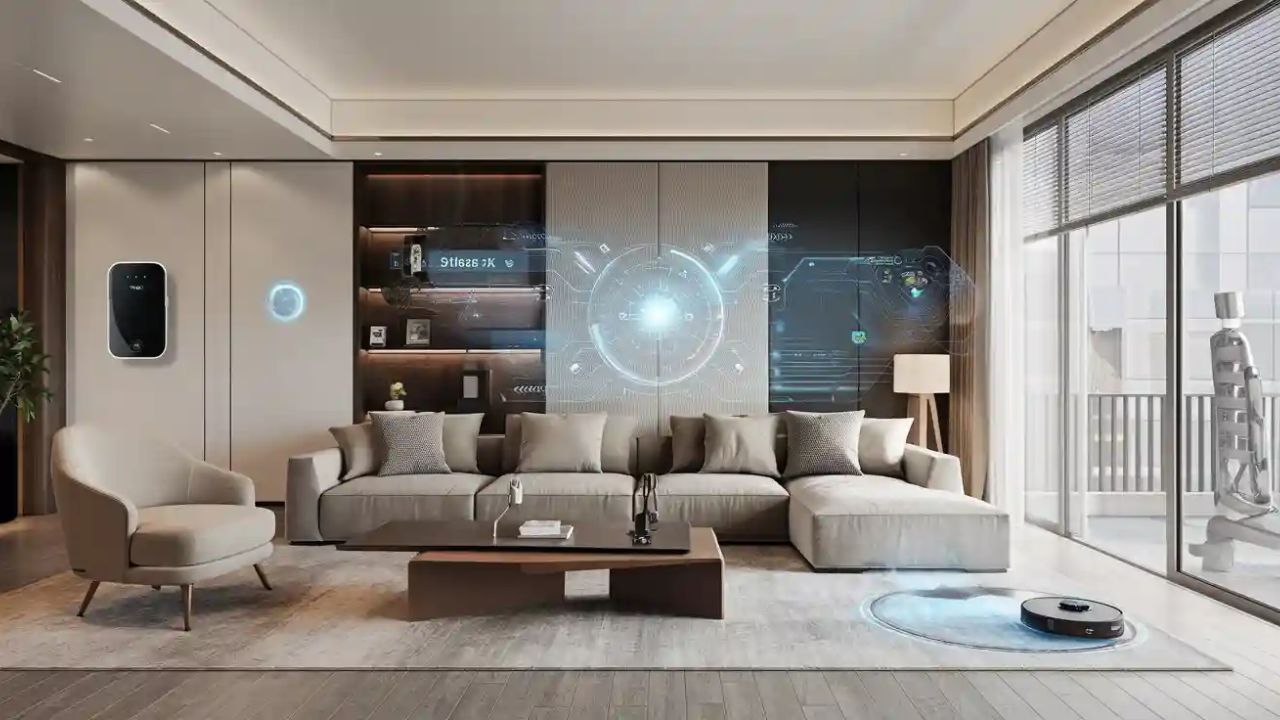
Some technology helps most when it stays nearly invisible. Smart plugs, timed lamps, and robot vacuums can remove repeated tasks without changing household rhythm. The goal is not novelty. The goal is fewer small demands across the week. A modest device that saves ten minutes daily can return more value than a costly gadget used twice each month.
Make Movement Easier
Healthy routines last longer when they require less setup. A filled water bottle in the fridge, walking shoes by the door, and a yoga mat stored in view all support action. Visibility matters because people often choose what feels easiest. Small prompts shape behavior quietly. Over time, those cues can help the household move more without heavy planning.
Conclusion
Everyday ease usually grows from modest, smart adjustments. Better storage, softer lighting, simpler paperwork, and visible health cues can change how a home feels and functions. These upgrades do not need large budgets or perfect rooms. They need honest attention to daily patterns. When people reduce friction in ordinary places, they create more space for rest, focus, and connection. That is often the most valuable improvement a home can offer.