When it comes to fashion, understanding the differences between casual and formal clothing can help you dress appropriately for any occasion. Each style has its own set of guidelines, providing flexibility and creativity. Here’s a comprehensive guide to help you navigate these two realms of fashion, with styling tips for every occasion.
Understanding the Basics
Casual Clothing
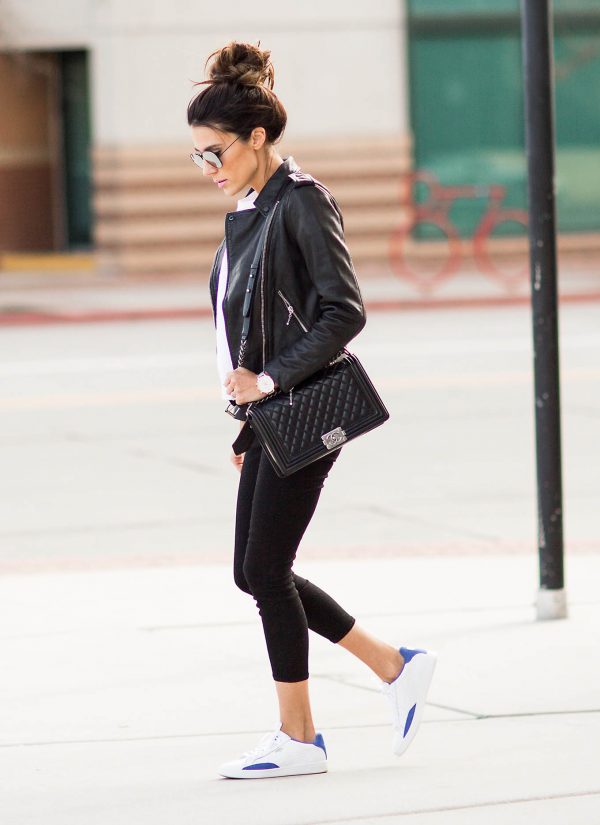
Casual clothing emphasizes comfort and personal expression. It’s perfect for relaxed settings and typically features items like jeans, t-shirts, sneakers, and casual dresses. While casual attire is more laid-back, it doesn’t mean sacrificing style. Focus on quality, fit, and cohesion to elevate your casual look.
Formal Clothing
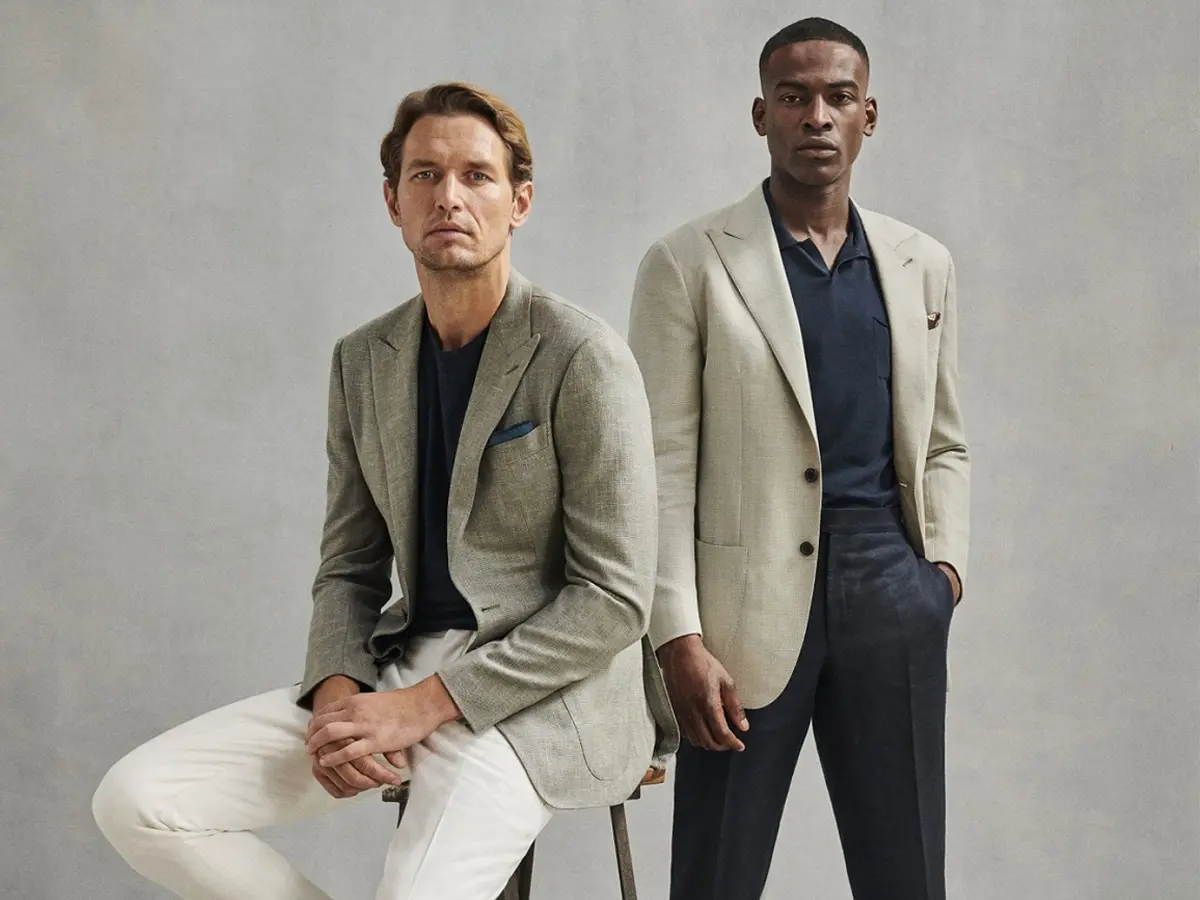
Formal clothing is suited for structured settings and events. It typically includes tailored suits, dresses, dress shoes, and accessories like ties or jewelry. The focus is on elegance and refinement, with an emphasis on detail and sophistication. Investing in well-made formal pieces ensures you’re always prepared for occasions that require a polished appearance.
Styling Tips for Casual Occasions
Everyday Outings
- Essentials: Jeans or chinos paired with a well-fitted t-shirt or casual shirt are perfect for everyday outings. Opt for neutral or soft colors that can easily mix and match.
- Layers: Adding layers like a denim jacket or a lightweight cardigan can add depth and adapt your outfit to changing weather.
- Footwear: Sneakers, loafers, or casual boots work well. Choose comfort without compromising style.
Weekend Leisure
- Comfort First: Prioritize comfort with joggers or shorts and a relaxed-fit top. Breathable fabrics like cotton or linen are ideal for leisurely activities.
- Graphic Tees: Express your personality with graphic t-shirts or baseball caps for a fun, casual look.
- Accessories: Simple accessories like a watch or a canvas tote bag can enhance your outfit without overwhelming it.
Casual Dates
- Smart-Casual: Pair dark jeans with a casual blazer and a fitted shirt to strike the perfect balance between relaxed and polished.
- Color Coordination: Maintain coherence through a consistent color palette, using complementary or tonal hues.
- Footwear: Opt for stylish sneakers or loafers to maintain a tidy yet relaxed appearance.
Styling Tips for Formal Occasions
Business Meetings
- Suit Up: A well-tailored suit in a classic color like navy, grey, or black is a staple for formal business settings.
- Shirt and Tie: Pair with a crisp dress shirt and a coordinating tie or pocket square for added elegance.
- Footwear: Choose polished leather shoes, ensuring they are clean and in good condition.
Formal Events
- Evening Gowns or Black Tie: Choose an elegant dress or a tuxedo for formal events. Black-tie events call for sophistication and classic styles.
- Jewelry and Accessories: Opt for delicate jewelry and a clutch bag for women, and cufflinks or a tie clip for men.
- Attention to Detail: Ensure your outfit is perfectly tailored, and pay attention to grooming and overall presentation.
Weddings
- Dress Code: Always adhere to the dress code on invitations. For black-tie weddings, formal evening wear is appropriate.
- Seasonal Considerations: Consider the season and venue when choosing fabrics and colors. Light fabrics for summer and richer tones for winter.
- Subtle Coordination: Coordinate with your partner subtly, such as through matching accents like ties or jewelry.
Bridging Casual and Formal: Smart-Casual Tips
Transitioning Between Styles
- Blazers: A blazer over a t-shirt or a casual shirt can transform a casual outfit into something more polished.
- Chino Pants: Chinos are versatile, bridging the gap between jeans and formal trousers.
- Dress Shoes with Jeans: Pairing quality dress shoes with jeans can elevate your casual outfit without becoming overly formal.
Versatile Items
- Polo Shirts: These offer a middle ground, more formal than a t-shirt but less formal than a dress shirt.
- Sweaters: A fine-knit sweater adds warmth and sophistication, perfect for both casual and smart-casual settings.
- Neutral Colors: Neutral colors allow flexibility and easy transition between casual and formal settings.
Conclusion
Successfully navigating between casual and formal styles involves understanding the nuances of each and knowing how to adapt them to various occasions. By selecting key pieces that work for multiple settings and focusing on fit and quality, you can build a versatile wardrobe that offers style and comfort.
Remember, confidence is key. Whether you’re dressing down for a casual day out or dressing up for a formal event, wearing what makes you feel comfortable and confident is always the best choice. With these styling tips, you’ll be prepared for any occasion that comes your way.