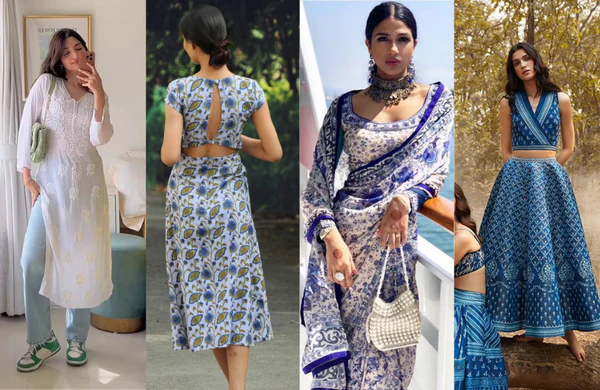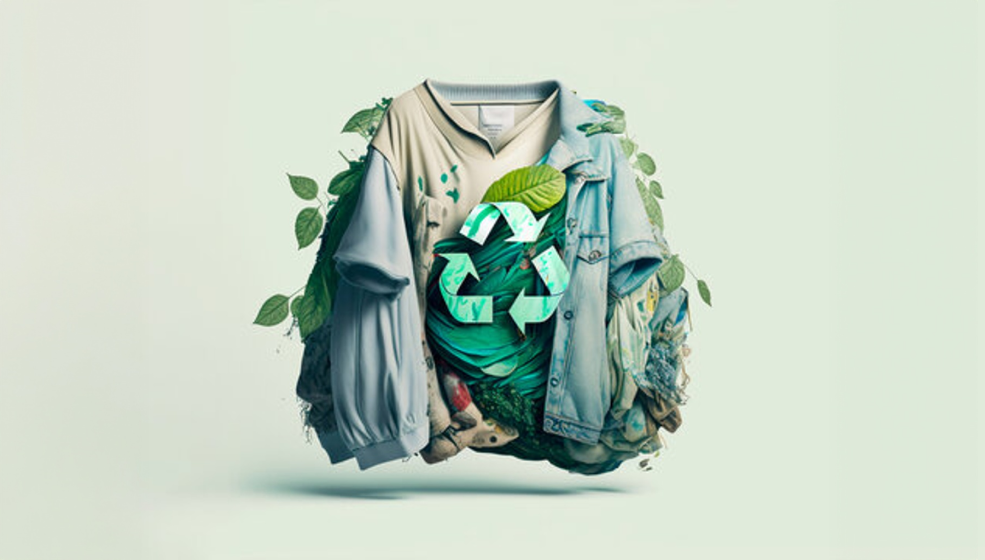
Fashion is going through a major transformation, as environmental and ethical concerns are becoming more prevalent. Fashion is moving towards sustainable clothing that emphasizes eco-friendly production methods and eco-friendly fabrics. The shift in consumer behavior is being driven by the increasing demand for transparency and accountability. Sustainable clothing is the future of fashion.
Environmental Impact
Resource Consumption
The traditional fashion industry consumes significant amounts of resources including energy, water and raw materials. Cotton farming, for example, requires a lot of water and pesticides. Sustainable clothing uses organic cotton, Tencel and bamboo which are less resource-intensive and have a smaller environmental impact.
Pollution and waste
Fashion contributes to pollution and waste. From chemical runoff in production to the massive amount of textile waste that ends up on landfills, fashion is a major culprit. Eco-friendly fashion can reduce this impact by using non-toxic colors, closed-loop systems of production, and recyclable or biodegradable material.
Ethical Production
Fair Labor Practices
Fair labor practices are a key component of sustainable fashion. This ensures that workers receive fair wages and can work in safe working conditions. Brands that are committed to ethical production place a high priority on transparency and collaboration, ensuring fair trade practices.
Local Production
Locally produced clothes reduce the carbon footprint of transportation, and support local economies. Local artisans and manufacturers are often prioritized by sustainable brands, helping to preserve traditional crafts and contribute to community development.
Consumer Demand
Growing Awareness
The impact of consumer purchases on the environment and the society is better understood. Due to this awareness, brands are increasingly focusing on sustainability and ethical practices. Customers are looking for durable, high-quality clothing that is environmentally friendly.
Transparency and Trust
Transparency in the supply chain is a key factor for brands to build trust with their consumers. The information that shoppers receive about the sourcing of products, production methods and environmental impact is appreciated by consumers. This accountability increases consumer loyalty and promotes sustainable fashion.
Fashion Innovations for Sustainable Fashion
Innovative Materials
Sustainable clothing is being revolutionized by the development of innovative materials. Fabrics made of recycled plastics such as nylon and polyester reduce waste while offering high performance. Lab-grown leather, biodegradable fabric and lab-grown skin are also innovations.
Circular Fashion
Circular fashion is a model that emphasizes the recycling and reuse of materials in order to create a closed loop system. This method reduces waste through the design of garments that are easily disassembled at the end of the life cycle and can be recycled.
Economic Benefits
Cost-Effectiveness over the Long Term
Although sustainable clothing is more expensive initially, it will save you money in the long run. The consumer spends less to replace low-quality clothing, which reduces overall clothing costs and makes sustainable choices more economically viable.
Job Creation and Skill Preserving
Fair trade and local production are key to creating jobs through sustainable fashion. It also helps to preserve traditional crafts and skills, especially when brands work with small-scale producers and artisans.
Technology and its role
Digital Platforms and Ecommerce
The technology plays an important role in the promotion of sustainable fashion. Digital platforms allow brands to reach more people and be transparent about their practices. E-commerce gives consumers access to sustainable options they may not find locally.
Smart Solutions
Blockchain and other technology-driven solutions improve supply chain transparency. It ensures accountability, from sourcing to manufacturing. This fosters a trusting relationship between brands and their consumers.
Education and Advocacy
Raising Awareness
Through campaigns and educational programs, advocates of sustainable fashion raise awareness. They educate consumers about the benefits of sustainability clothing, encourage mindful choices and promote environmental stewardship.
Influencers, Collaboration and Influencers
Influencers are working with industry leaders to promote sustainable fashion. They use their platforms for eco-friendly brands, and to engage audiences in discussions about responsible consumption. This increases the reach and impact sustainable fashion advocacy.
Conclusion
The fashion industry has undergone a radical shift, with a focus on ethical production and transparency for consumers. This movement is changing the perception of fashion and encouraging innovation. It also fosters a culture that values responsibility and awareness.
Consumers, brands and policymakers all play a key role in bringing about change as sustainable fashion becomes more common. We can contribute to a sustainable future by embracing sustainable practices, supporting responsible brands and promoting a more equitable and sustainable fashion industry. Sustainable clothing is more than a fashion trend. It is an evolution that will lead to a brighter and more conscious future for fashion.