Streetwear, once a niche subculture has grown into one of the biggest impacts in international fashion worldwide. Starting out as a skateboarding, surfing, hip-hop and youth-driven style it has evolved into a global trillion-dollar market that dictates how people dress around the world. Streetwear has permeated luxury fashion today, as well as retail trends and corporate dress codes. And its history illustrates changing attitudes about self-identification, individualism, and cultural identity.
The Origins of Streetwear
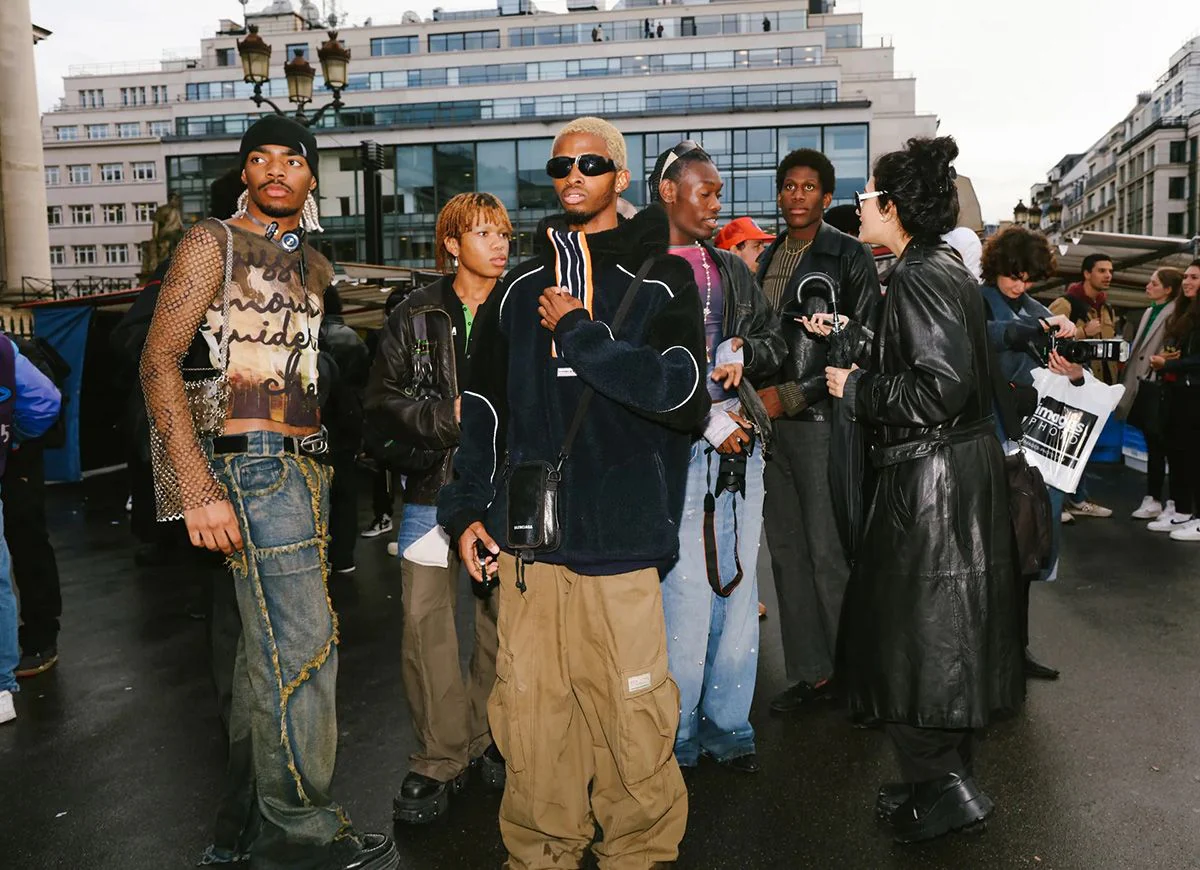
Street wear was born in the late 1970s and early 1980s mainly from urban youth communities in the United States. The movement was significantly inspired by skateboard culture from California and hip-hop culture from New York City. The youth wanted clothing that was comfortable, functional and a demonstration of their way of living. The look was characterized by graphic T-shirts, baggy hoodies, sneakers and wide-leg jeans.
Streetwear as a movement was born from the streets, unlike traditional fashion defined by designers and houses. A means of self expression that sparked personality and presentation with clothing. Streetwear brands became popular through their creation of pieces that were locally relevant and part of youth culture but started out in highly limited editions.
An Impact of Music and pop culture
A major factor in the success of streetwear was its tight-knit relationship with music and entertainment. It was hip-hop artists that championed oversized silhouettes, athletic wear and branded sneakers. Streetwear evolved as a significant part of rappers and musicians’ image, with fashion being a way to make their identities.
Streetwear aesthetics have spread far past the bounds of local hoods into an international consciousness through music videos, television, and soon social media. So when fans saw their favorite artists in such rapper clothing and styles, they snatched up anything like that as well furthering the worldwide movement of streetwear. Celebrity endorser and cultural influence still relies heavily in fashion trends thus largely affecting this aspect of streetwear to this day.
The Rise of Sneaker Culture
Sneakers are now one of the most significant pieces of streetwear. From athletic shoes to fashion forward footwear. Scarcity breeds desire, and so limited releases, collabs (& exclusive designs, etc.)
Sneaker culture paved way for “drop culture,” where brands drop product in limited quantities to build buzz and demand. The move increased brand loyalty and gave rise to resale markets where their best items went for many times the price. Sneakers became symbols of social status, style and cultural literacy.
Streetwear Meets Luxury Fashion
Perhaps the biggest milestone in the evolution of streetwear has been its adoption by luxury fashion. Luxury focused on formal, premium styles for decades, whilst streetwear was seen as casual/logos/outlaw. But consumer tastes changed, and luxury fashion houses began to adapt streetwear.
Hoodies, sneakers graphic prints and lastly oversized silhouettes started incorporated into fashion designers collections. The obvious lines came with collaborations between luxury houses and streetwear that turned high fashion into everyday. This move helped ensure that cool people were actually wearing the clothes, which made fashion accessible and relatable to younger generations while introducing streetwear to new audiences.
The Role of Social Media
Today, streetwear is growing faster and reaching a wider audience than ever before thanks to social media. Fashion lovers can while in the instant find out about new trends, keep track of brand launches and express personal styles to global audiences. Influencers, content creators and celebrities often have full control over what becomes cool or trending.
And the digital landscape, of course, has also paved the way for smaller brands to reach consumers directly without depending on traditional retail methods. This has driven innovation and variety in the streetwear space, giving emerging designers a runway to create followings around their brands.
Streetwear: Lasting Impact on Now
Streetwear is no longer a niche trend today. It has made its rounds from the runways of luxury fashion shows to everyday wardrobes everywhere. Streetwear has shifted the culture of fashion towards comfort, authenticity and self-expression.
Casual clothes, oversized fits and mix of sneaker-focused outfits demonstrate the sthtic acceptance of streetwear aesthetics. Streetwear’s market share continued to grow and so brands began working streetwear into their collections, doing whatever it takes to attract the modern buyer.
Conclusion
Streetwear serves as a testament to the transformative power of cultural shifts on entire sectors. Streetwear began in skateboarding and hip-hop communities, but quickly grew into a luxury fashion tier and threw the global retail world for a loop in terms of how people see style. Its focus on individuals, creativity and cultural kinship continues to compel designers and customers. Streetwear as fashion old and new, mostly culture exploring where art meets style